

Rural fiber providers eye edge compute as AI pushes workloads out of the cloud
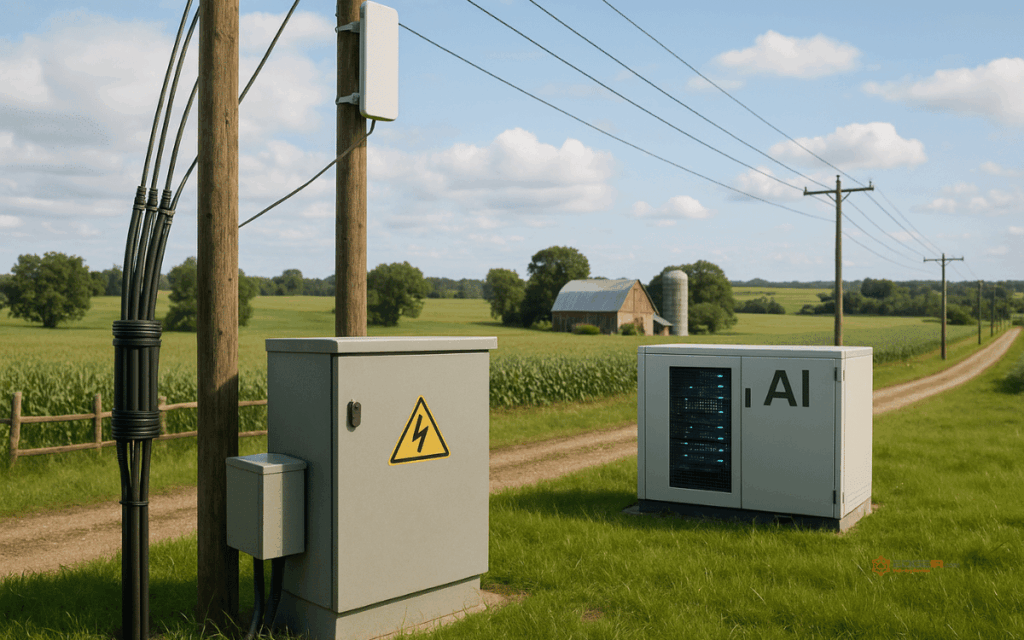
The Fiber Broadband Association (FBA) published a paper exploring how rural broadband providers can capitalize on their assets to bring edge computing and artificial intelligence out of the cloud.
The paper focuses on the move from centralized to distributed computing, enabled by AI, cloud applications and data intensive workloads driving the need for power and connectivity in rural locations.
Rural providers are well-positioned due to their existing fiber networks, available land, and community trust, enabling them to support the next phase of digital infrastructure.
The paper also lists some business models for rural ISPs, colocation, rack rental and edge AI services that align with their existing capabilities.
“Rural broadband providers have quietly built the infrastructure and community trust that now make them essential to the next phase of America’s digital evolution,” says Deborah Kish, VP of research and workforce development at the Fiber Broadband Association. “As edge computing and AI reshape how and where data moves, this paper offers a roadmap for turning those assets into economic opportunity and community benefit.”
It offers practical suggestions for assessing local assets such as power availability, fiber geography and real estate to pull in relationships with enterprise customers. Community benefits include: jobs, rate certainty for electric cooperatives, and expanded use of renewable energy for grid reliability.
The paper is designed as a roadmap, an invitation to get started on this project of regional cooperation to advance shared power and fiber networks.
The complete report, “Opportunities for Rural Providers in the Age of Distributed AI and Edge Compute” can be accessed at the FBA website.
Article Topics
distributed AI | edge computing | EDGE Data Centers | Fiber Broadband Association | fiber networks | rural broadband

Comments