

Innatera advances neuromorphic edge AI chips using Synopsys simulation tools
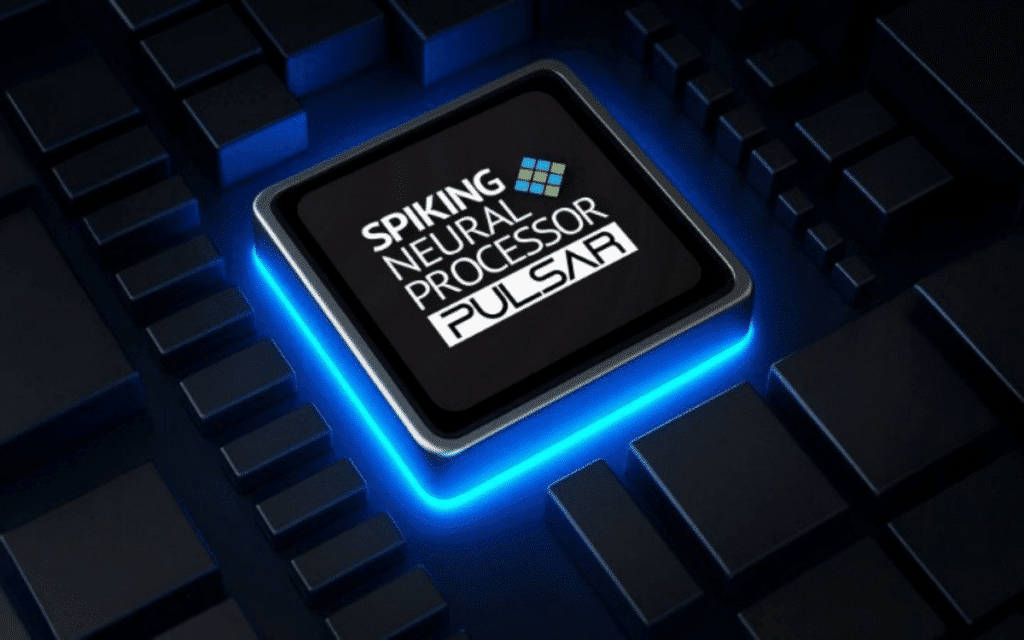
Innatera has partnered with Synopsys to design and validate neuromorphic chips for ultra-low-power AI in edge devices like wearables, smart home technologies, and industrial sensors.
Innatera relies on Synopsys PathFinder-SC and Totem platforms to ensure power integrity, manage electrical noise, and predict electrostatic discharge (ESD) risks in its chip designs.
“By enabling Innatera to accelerate product development and scale confidently, Synopsys reinforces its role as a catalyst for cutting-edge technologies shaping the future of embedded AI,” says Prith Banerjee, senior vice president at Ansys, part of Synopsys. “This collaboration underscores our commitment to empowering innovation across the semiconductor ecosystem, from global enterprises to emerging startups. As edge computing becomes increasingly central to real-time intelligence, Synopsys simulation is helping innovators bring efficient AI where it’s most needed.”
Innatera’s Pulsar, a neuromorphic microcontroller that processes information using Spiking Neural Networks (SNNs) models inspired by biological neurons allows for real-time AI processing at ultra-low power.
Pulsar has up to 100x lower latency and 500x less energy consumption than classical AI processors, facilitating the transition for “always-on” devices.
By simulating ESD events, PathFinder-SC can early model analog behavior and ensure chip robustness under those conditions.
Totem enables transistor-level power integrity analysis for AI workloads, allowing for reliable power delivery and energy efficiency.
The collaboration between Synopsys aligns with Innatera’s goal to deliver edge AI technologies with enhanced speed, usability and reliability.
Article Topics
AI Chips | edge AI | edge computing | Innatera | neuromorphic computing | semiconductor design | Synopsys

Comments